
Perspective
Design × AI
With AI in the product workflow, the barrier to execution has dropped, which means the bar for strategic clarity has gone up. AI is changing ways of working and how we design fast, this is a snapshot of where we are today.
01 — Building with AI
Designing in AI
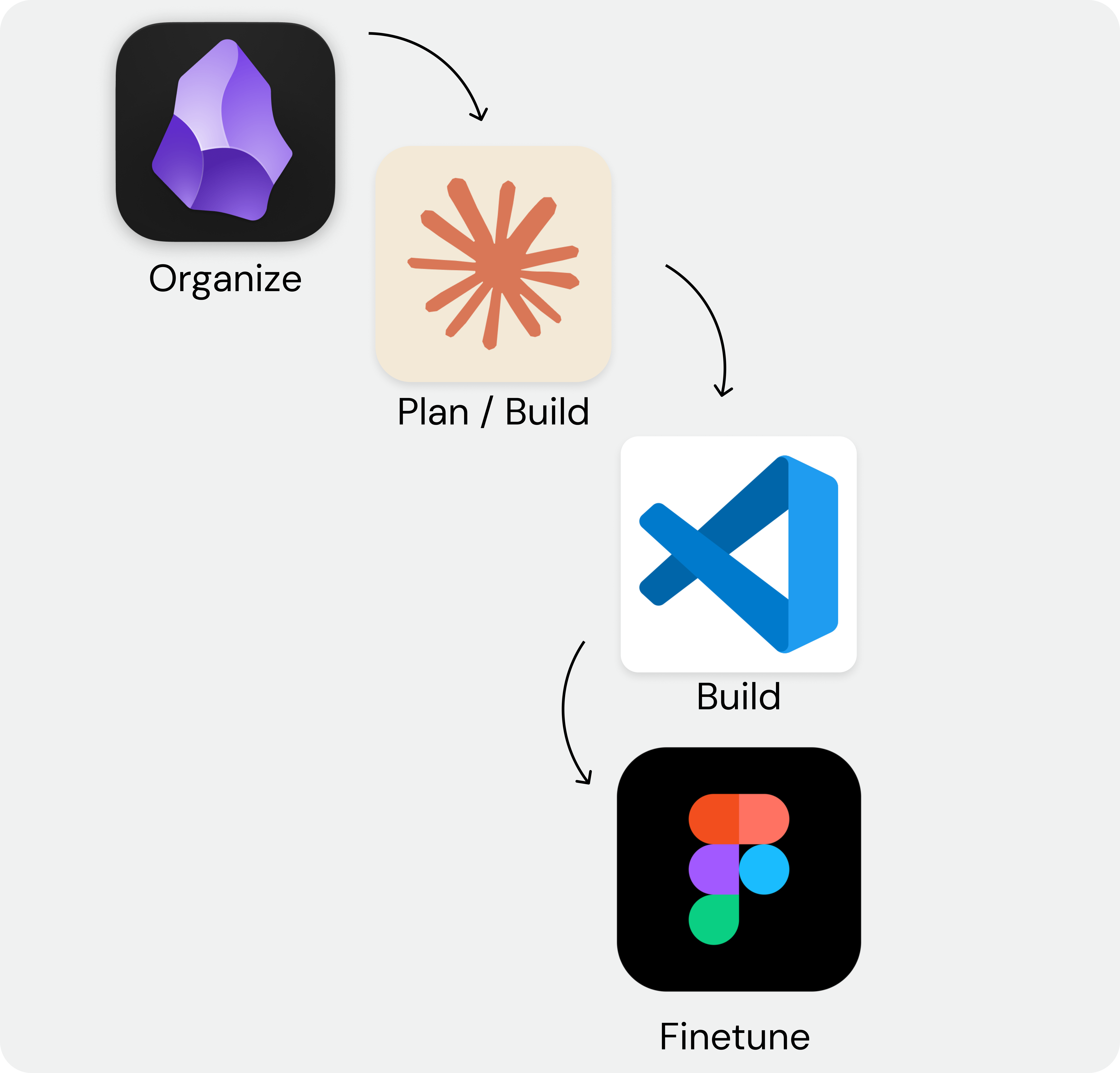
How designers work with code keeps evolving, this is just the latest iteration. My team works in a Claude Code × VS Code × Obsidian workflow we built ourselves: Obsidian owns the process end to end, Claude Code is the company's tool of choice, and VS Code is how engineering wants work pushed to GitHub.
AI shows up in design explorations, in prototypes that hold up in real research, and in code we're already shipping internally. It isn't replacing craft, critical thinking, or judgement, just cutting time spent explaining an idea and speeding up finding out if it works.
What's working
Designers building and shipping prototypes directly
AI confidence growing across the team
Our AI design system gives everyone a shared language
Already shipping in internal tools and B2B products
What we're solving
Individual workflows are solved, team workflows aren't
Merging parallel work without breaking each other's code
Engineering collaboration workflow for merging to the customer facing app
02 — Research
Research in AI
When teams turn to synthetic users, it's not because users don't matter. It's because they haven't found a process that makes it time-effective to talk to them. The user's voice is essential and irreplaceable, so instead of replacing research, we used AI to strip out the friction while protecting what actually matters. We've rebuilt our entire research process from the ground up: launching more research, with a smaller team, in less time than before. Our AI research repository makes past insights easy to find and genuinely usable, driving more decisions instead of sitting in a deck no one reopens.
What's working
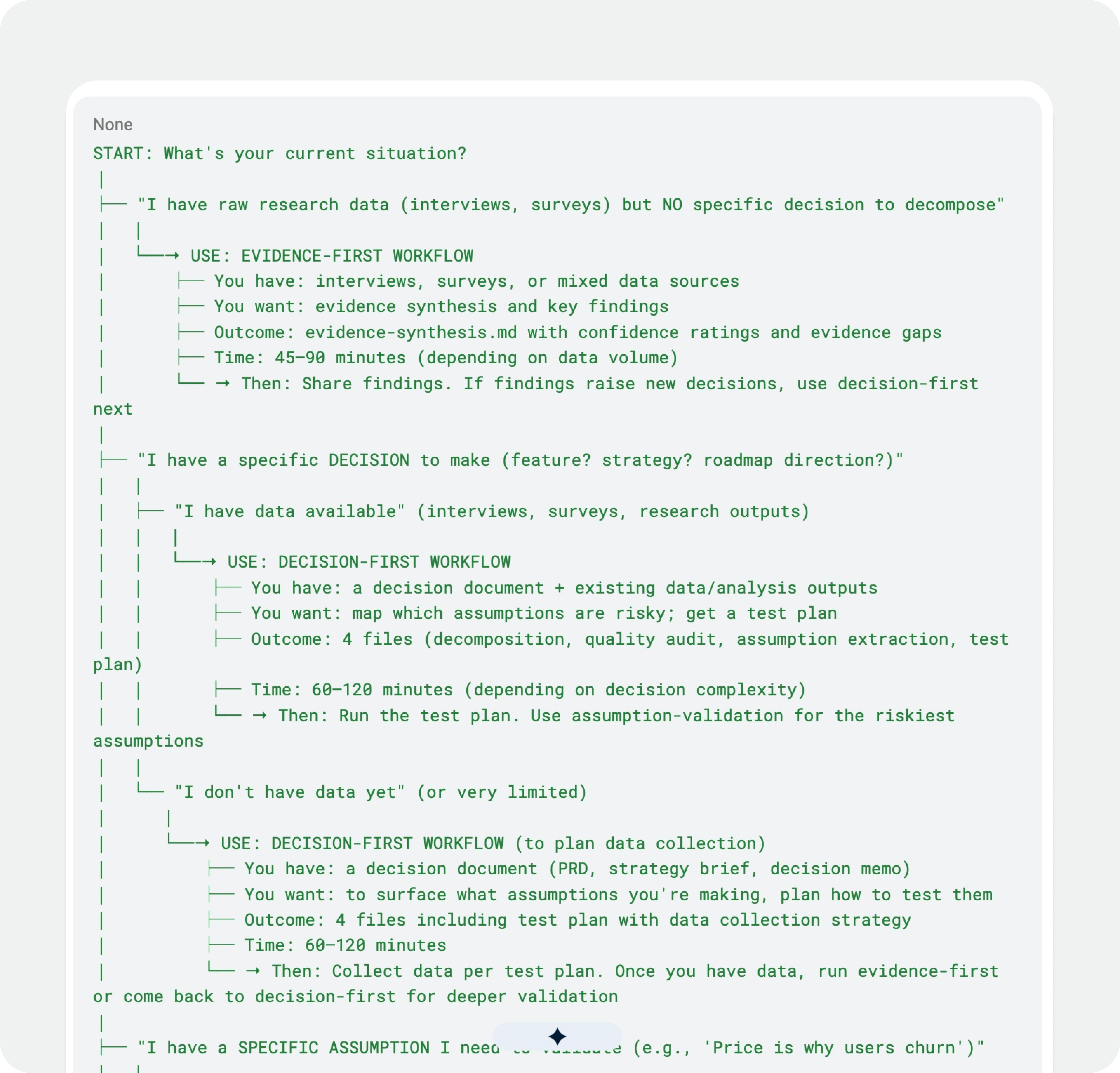
Custom AI tooling guides any team member through methodology selection, setup, screener writing, and recruitment
A Claude Code workflow handles cleaning, analysis, and synthesis
Outputs live in our internal research LLM, findable and shareable, not buried in a doc no one reads
Where we won't go
Synthetic users, not because the data can't be accurate, but because you lose the discomfort
Real research forces you to face things you didn't expect. Synthetic data lets you confirm what you already believe
That's not research. That's expensive confirmation bias
03 — Evolving the culture
Upskilling the Design Community
At Zalando design, we have the AI-obsessed, the AI-terrified, and everyone in between, a gap widening faster than organic learning could close. Hoping people would figure it out alone wasn't a strategy.
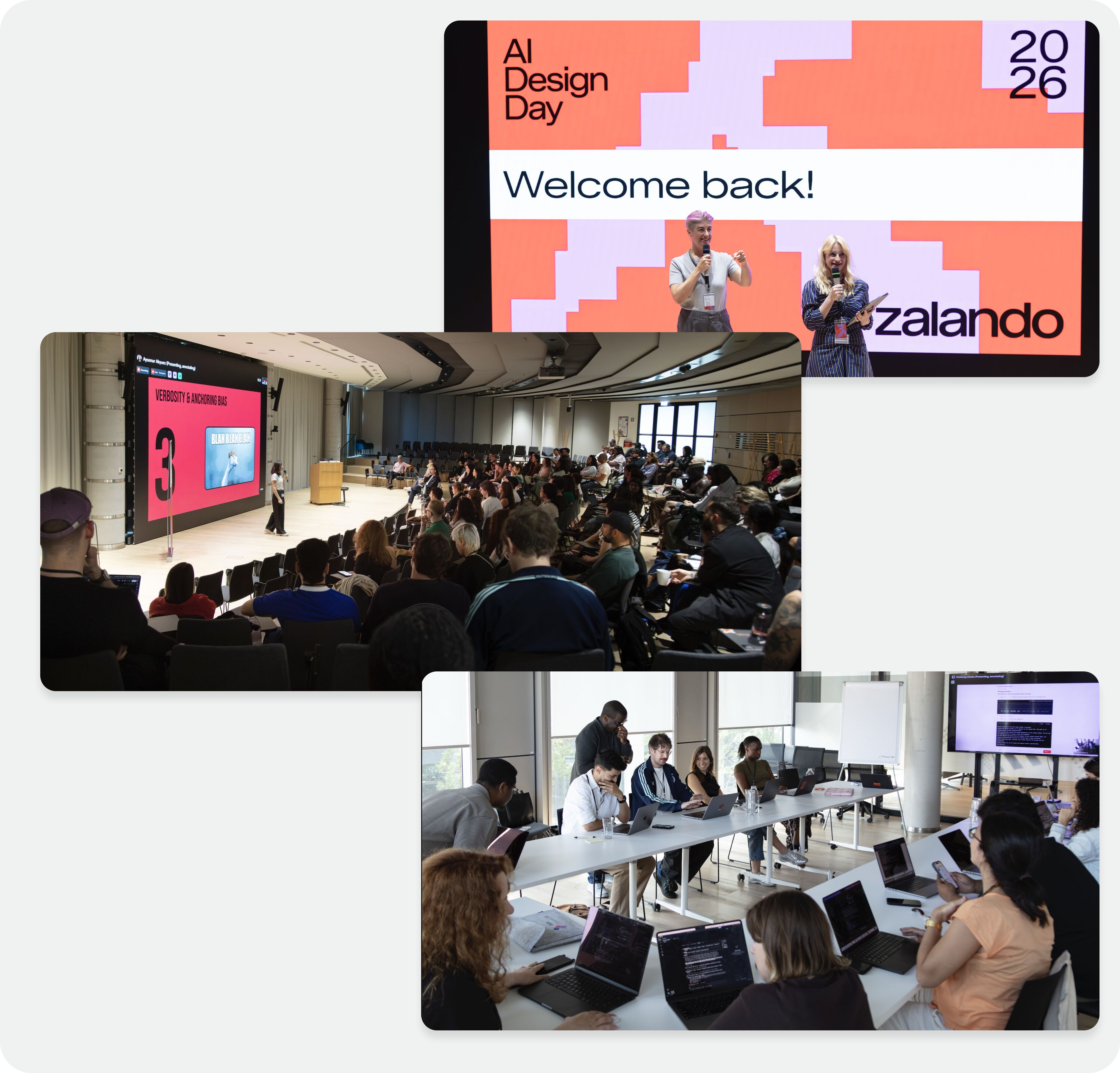
So I organised Zalando's AI Design Day: an internal conference sharing real wins and failures, with hands-on workshops in parallel, from Claude 101 to Figma plugins to our AI design system.
The goal wasn't to convert the sceptics or slow down the enthusiasts, it was to move the whole org forward together. Keeping a 150+ person design org learning, adapting, and bought into how we work is my critical focus as a design leader, so no one gets left behind.
What's working
Successfully upskilling designers across the org
A variety of ways to learn, not a one-size-fits-all approach
Tangible, hands-on sessions running alongside real projects
A genuine culture of curiosity taking hold
What we're solving
Ensuring AI confidence grows evenly across the team
Aligning AI expectations within the design process
04 — Project set-up
Alignment with AI
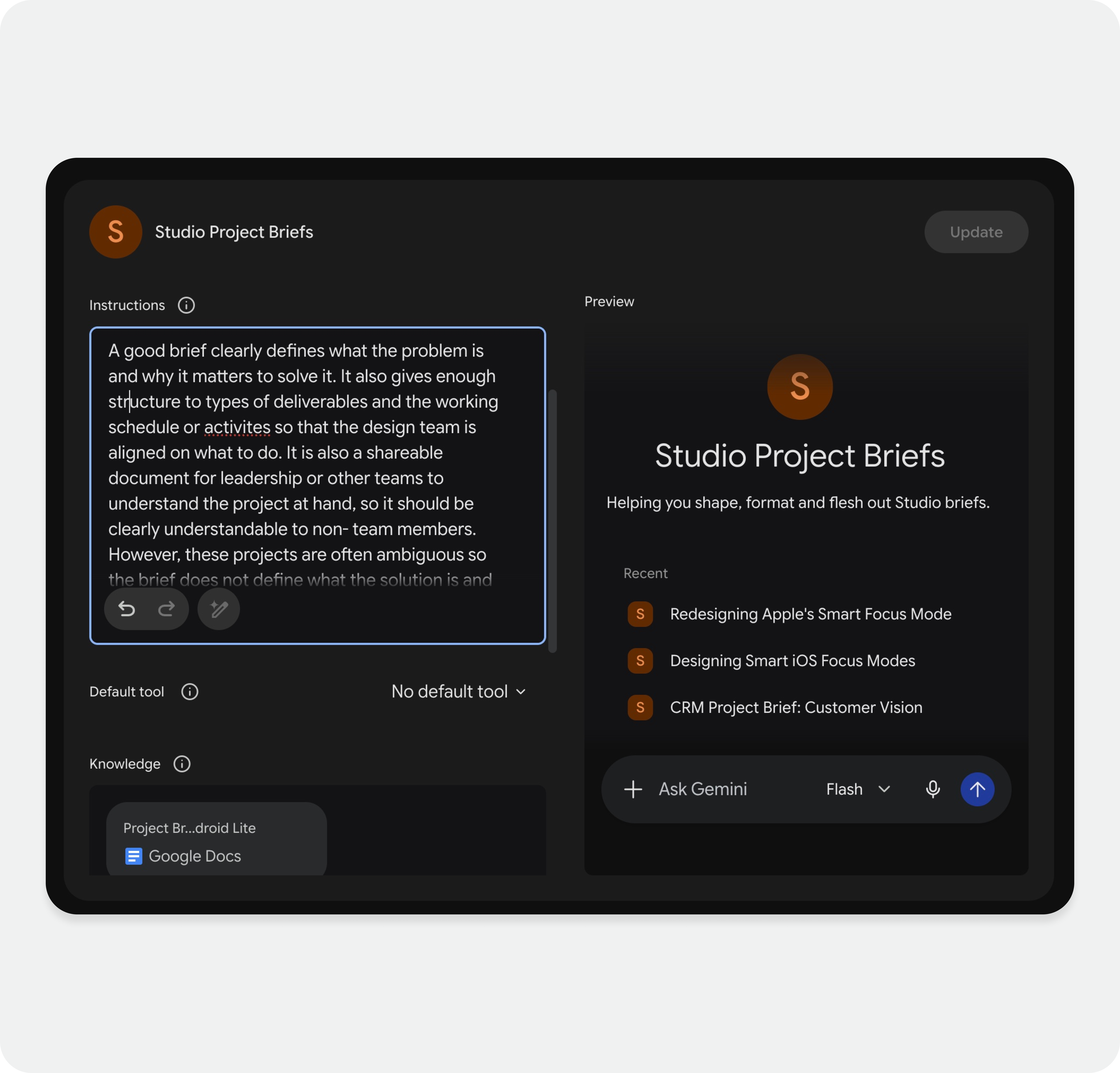
A misaligned team that moves slowly wastes weeks. As a lead, I've overhauled my workflow with AI agents to keep us focused on the right things and genuinely aligned. I've built custom AI assistants briefed on company context, ways of working, and the problem space, creating shared clarity on what we're building, and what we're not.
From there, the same setup feeds into market research, conversion principles, and pattern detection, getting teams into solution space faster, with fewer false starts.
What's working
AI assistants revamping our meeting and documentation process
More focus on what actually matters, less on process for its own sake
What we're solving
How to stay light on documentation while keeping a large-scale org in sync
The through-line
AI removes constraints. It doesn't remove the need to think. The teams that win won't be the ones who move fastest, they'll be the ones who stay clearest about what they're building and why.